How Proper Retaining Wall Services Stop Winter Soil Heaving
Indigo Property Service • November 17, 2026
Sloped yards in Middle Sackville face massive structural pressure during the winter months. Indigo Property Services builds heavily reinforced barriers designed to withstand constant soil expansion and shifting ground. Stopping heavy concrete blocks from leaning forward requires precise engineering well below the frost line.
A leaning wall is a clear sign that the contractor ignored basic water management rules. Soil acts very differently when it becomes saturated and freezes solid. Controlling how water moves behind the structure is the only way to keep the blocks standing straight. We are detailing the specific trade practices required to hold back heavy earth safely.
Reviewing The Structural Details
- Frost Heave Mechanics: How freezing soil pushes blocks outward
- Proper Drainage Layers: Keeping water away from the wall
- Base Trenching: Securing the foundation deep underground
- Frequently Asked Questions
Frost Heave Mechanics
Property owners often ask how do frost heaves affect block retaining walls during the colder months. When the dirt behind a wall absorbs rainwater it becomes incredibly heavy. If that wet dirt freezes it expands forcefully in all directions. Because the dirt cannot push backward into the hillside it pushes forward against the back of your wall.
This horizontal pressure is strong enough to snap wooden landscape ties and push massive concrete blocks completely out of alignment. Once a wall starts to lean outward it loses its structural integrity and will eventually collapse. Preventing this disaster requires stopping the soil from holding water in the first place.
Proper Drainage Layers
What changes with proper retaining wall services is the introduction of a clear crushed stone backfill. We never put raw dirt directly against the back of the newly built structure. Instead we leave a wide gap behind the blocks and fill it entirely with clean drainage gravel.
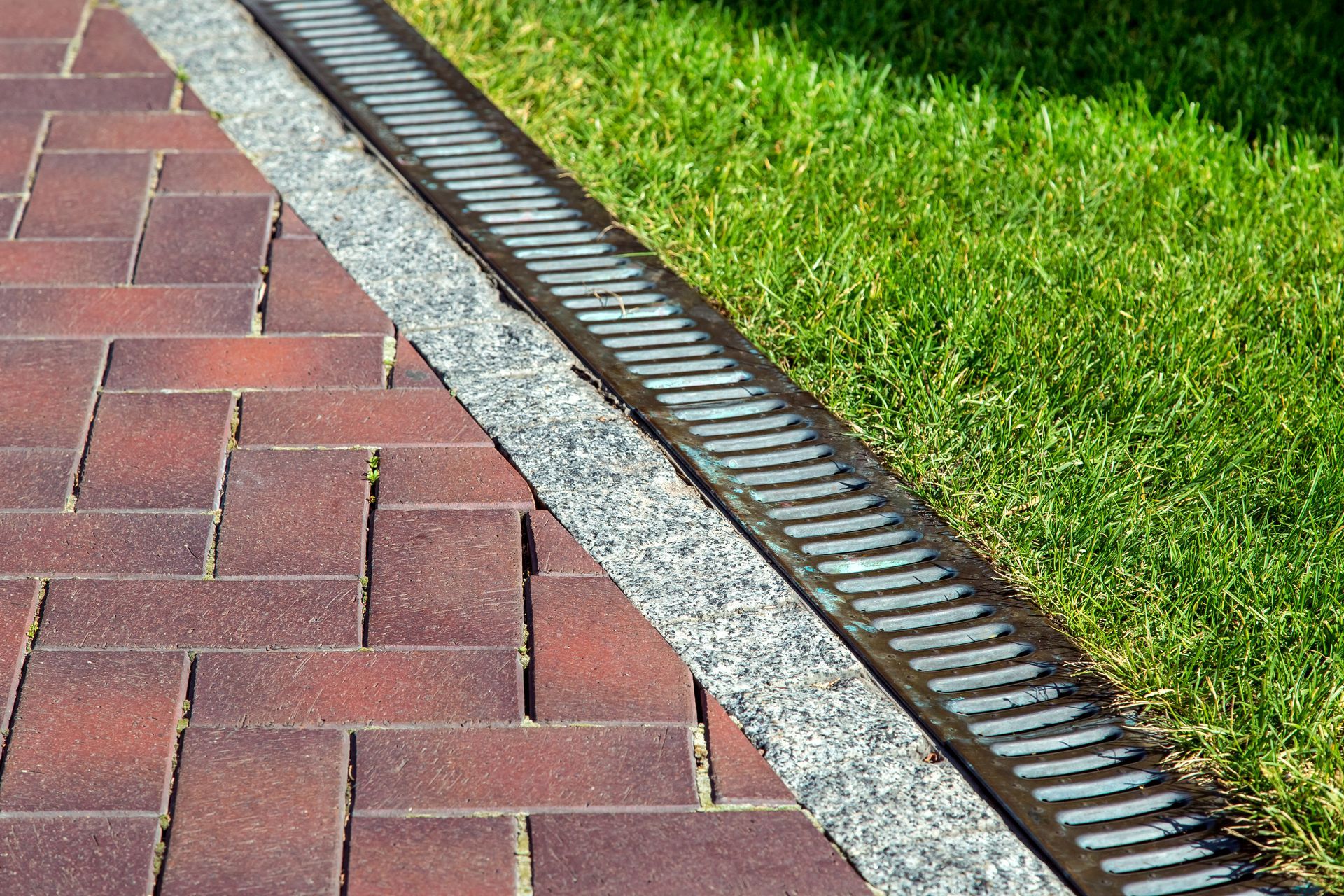
Water flows easily through the gravel instead of soaking into the dirt. We also install perforated weeping tile pipes at the very bottom of the gravel trench. These pipes catch the descending water and route it safely out the sides of the wall. Keeping the area behind the blocks completely dry ensures there is no moisture left to freeze and expand.
Base Trenching
The stability of any landscape barrier relies entirely on its footing. We dig a deep trench below the natural grade of the yard to set the first row of blocks. This trench is filled with compacted gravel to create a perfectly level and rigid base.
Burying the first course of blocks completely underground anchors the entire structure to the earth. If the yard features soft soil or aggressive slopes we will also lay down sheets of geogrid mesh. This tough synthetic mesh ties the blocks directly into the hillside for added pullout resistance. If you are also planning a concrete installation project nearby we ensure the heavy equipment stays clear of the new wall zone until the soil settles.
Frequently Asked Questions
Do I need a building permit for my wall?
Most municipalities require a structural permit if the wall exceeds four feet in height. We handle the local regulations and ensure the design meets all safety codes for the HRM area.
Why is water leaking through the front of the blocks?
Small amounts of water weeping through the joints is normal and actually relieves pressure. However heavy streams of mud and water indicate that the drainage pipe behind the wall is clogged or missing entirely.
Securing Your Sloped Property
Ignoring a leaning landscape barrier puts your entire yard at risk of a major mudslide. Rebuilding the structure with deep footings and proper gravel drainage secures the hillside permanently. Reach out to our team to request a site visit and a structural assessment.
Share This Blog