The Honest Truth About Hydroseeding Growth Timelines vs Laying Sod
Indigo Property Service • September 16, 2026
Homeowners want a lush green lawn as quickly as possible and often debate the best method to achieve it. At Indigo Property Services we frequently walk clients through the exact differences between immediate sod installation and the more gradual hydroseeding process. Both methods yield fantastic results but the timeline and required aftercare look very different in reality.
Many property owners have unrealistic assumptions about how fast grass seed germinates and establishes a strong root system. Understanding the biological timeline of lawn beautification prevents frustration and ensures you give the new grass the support it needs. We want to give you the honest facts about hydroseeding growth so you can make the right choice for your upcoming project.
What We Cover:
- The Real Germination Timeline
- Busting the Instant Lawn Myth
- Soil Preparation Determines the Final Result
- Frequently Asked Questions
The Real Germination Timeline
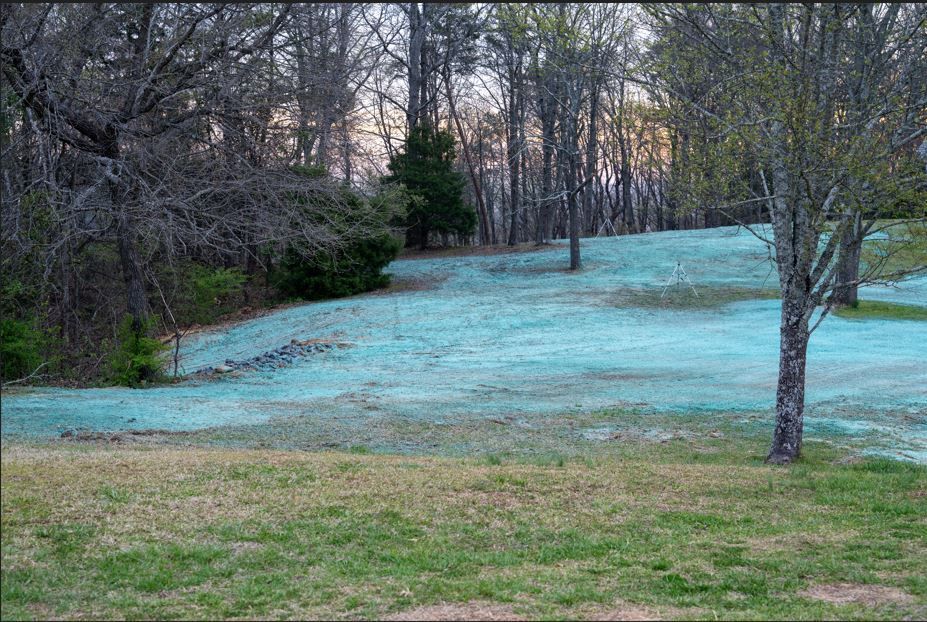
Hydroseeding enables rapid vegetation by mixing seed, water, fertilizer, and a protective mulch slurry. While this technique accelerates the germination process compared to traditional dry seeding it still relies on natural growth cycles. In Dartmouth, NS the soil temperature and seasonal moisture heavily dictate exactly when those first green shoots will appear. You will typically see initial growth within seven to fourteen days but a fully dense lawn takes several weeks of consistent care.
→ From a professional standpoint: The slurry creates a perfect microclimate for the seed but the roots still need time to physically anchor into the topsoil.
Busting the Instant Lawn Myth
The biggest overestimation we encounter is the belief that hydroseeding produces a fully usable lawn in two weeks. Hydroseeding is incredibly efficient for weed prevention and field construction but it is not the literal overnight fix of laying sod. A newly hydroseeded yard requires strict restricted access to allow the fragile new grass blades to thicken and mature. Expecting it to withstand heavy foot traffic or pet activity in the first month is a guaranteed way to ruin the application.
→ A quick tip to remember: Treat a newly hydroseeded yard like an active construction zone for the first four to six weeks.
This need for patience and proper process is something clients notice firsthand when we take over challenging yards. It is a pattern the team at Indigo Property Services hears regularly when stepping in to fix past landscaping frustrations.
► Client Experience: I recommend Indigo Property Services. After 2 failed attempts to have a large area landscaped I contacted Eric and he came out to hear my vision. The weeds were up to my hip and I didn’t have a lot of hope but along came the Indigo Property Services crew and I’m beyond happy. Nathan was very attentive and checked in multiple times to make sure things were looking how I wanted them to. He is a great leader for his crew. Thank you Eric, Nathan and the rest of the crew. This is a company you can trust. Heidi Feeney
Delivering a final product that looks incredible requires honest communication about the steps needed to get there.
Soil Preparation Determines the Final Result
Hydroseeding is not a magic layer that fixes terrible soil beneath it. If your base layer is heavily compacted or stripped of nutrients the new grass will sprout and then quickly die off. Proper garden design and build principles dictate that we must prepare a healthy bed of topsoil before spraying the hydroseed mixture. The erosion control properties of the mulch will hold the soil in place but the roots must have a nutrient rich environment to expand into.
Frequently Asked Questions
How often do you need to water a newly hydroseeded lawn?
The mulch layer must stay consistently damp for the first few weeks to allow the seed to break open and root. This usually requires light watering two to three times a day depending on the wind and sun exposure. Allowing the slurry layer to dry out completely and crack will kill the germinating seeds trapped inside.
Can you walk on hydroseed before it fully grows in?
You must keep all foot traffic off the yard until the first official mowing which happens when the grass reaches about three inches tall. Walking on the damp slurry crushes the germinating seeds and creates permanent depressions in the soft topsoil. Even after the first cut you should limit heavy activity until the root system fully intertwines.
What happens if it rains heavily shortly after hydroseeding?
The specialized tackifiers mixed into the hydroseed slurry act like a glue to bond the material to the soil surface. Light rain is actually beneficial for germination but a severe torrential downpour within the first few days can cause localized washouts. If significant pooling or runoff occurs on steep grades those specific patches may require a quick touch up application.
Plan Your Lawn Replacement Properly
Knowing exactly what to expect during those crucial first few weeks sets your new lawn up for long term success. A vibrant thick yard requires the right application method paired with dedicated watering habits. Give our team a call to discuss whether hydroseeding or sod is the best fit for your property timeline and budget.
Share This Blog